


Is dry brushing good for your skin?
I often get overwhelmed with all the new beauty trends that keep evolving as we continue to see new products being introduced on the market. Therefore, I love coming back to the basics of dry brushing. A trend that has truly withstood the test of time. Its alleged capacity to exfoliate, facilitate lymphatic drainage, and diminish the appearance of cellulite has garnered it a loyal following, including celebrities like Miranda Kerr and Gwyneth Paltrow.
But is dry brushing truly beneficial? Here we give you the insights.

The Ionic Copper Dry Brush by slō.
What Exactly is Dry Brushing?
Dry brushing is a method of physical exfoliation that entails running a stiff-bristled brush across the skin's surface. As the name implies, it's performed on dry skin with a dry brush. The coarse bristles, whether synthetic or natural, are believed to enhance skin texture and promote blood circulation.
A Glimpse into Its Origins
Originally known as "garshana," this practice traces its roots back to Ayurvedic medicine, an ancient Indian system that emphasizes a holistic approach to physical and mental well-being.
Dry Brushing Benefits
The primary benefit of dry brushing is that it helps stimulate the lymphatic system, and will provide support for proper function of the lymphatic system when done consistently over time. Other benefits lie in the dry brushings exfoliating properties, as the stiff bristles effectively remove dry, flaky skin cells from the skin's outer layers. This enhances cellular turnover and aids in unclogging pores, which can become congested with dead skin and excess sebum, potentially leading to blemishes, blackheads, and ingrown hairs. Additionally, exfoliating the body facilitates better absorption of topical treatments, as it eliminates the barrier of dead skin cells.
Dry brushing also provides a temporary skin glow by stimulating blood flow. The massage-like action boosts short-term blood circulation, similar to the effects of a massage.
Cellulite Appearance
Dry brushing improves skin's smoothness and plumpness through increased blood flow. You might already start to notice a difference after the first time using a dry brush, but for the most dramatic results, you need to give it a few weeks.
Different Skin Types and Dry Brushing
Dry brushing is not recommended for individuals with sensitive skin, particularly those with conditions such as eczema, rosacea, psoriasis, or cystic body acne. Rubbing a coarse-bristled brush over already irritated skin may exacerbate existing issues and cause discomfort.
However, dry brushing may benefit the texture and tone of areas prone to blackheads, such as the back and chest. By sloughing away plugs of sebum that congest pores, dry brushing can enhance the appearance of pores and overall skin texture.
How to Dry Brush
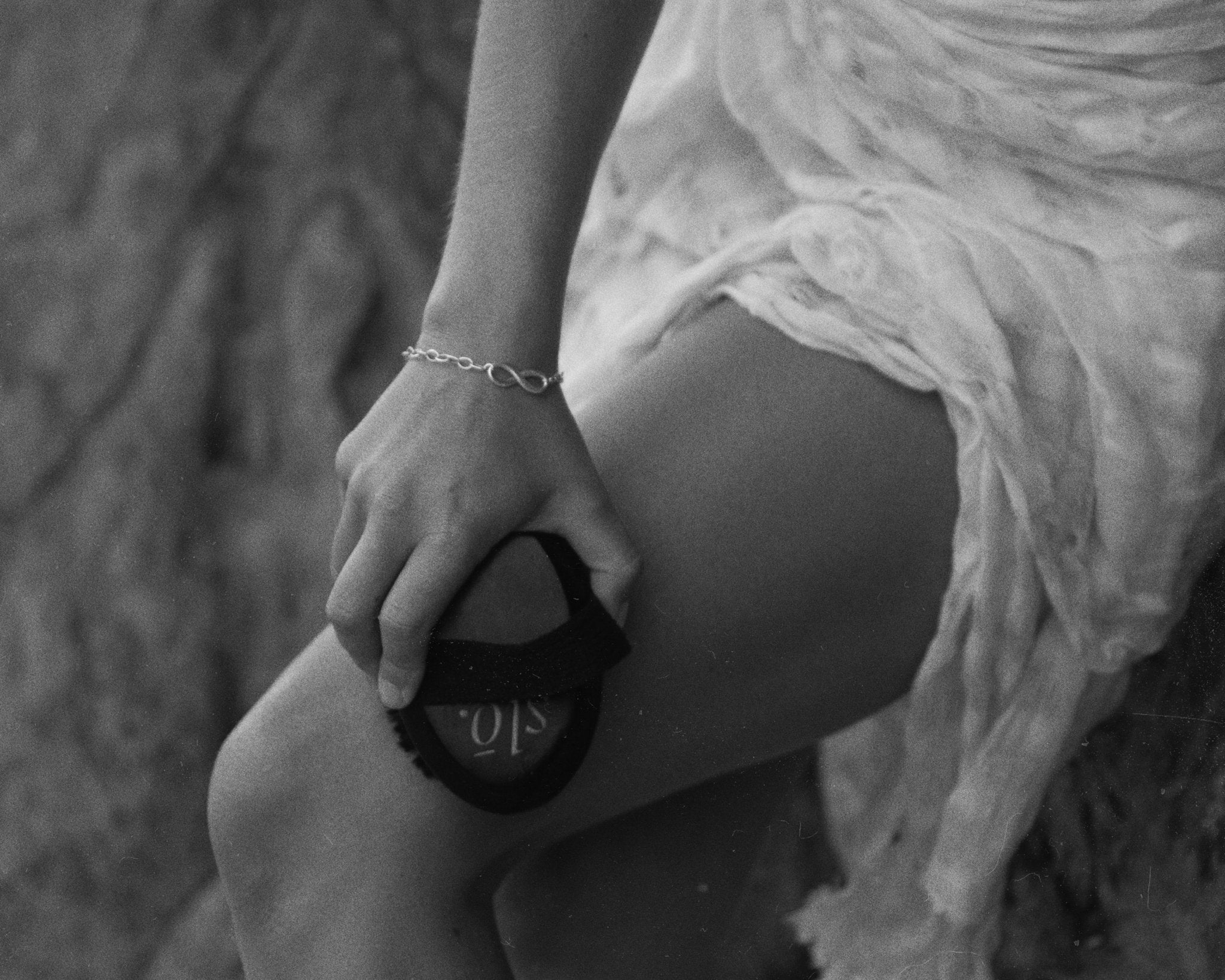
Start with completely dry skin, before a bath or shower, and always brush in long rhythmic strokes to move fluid toward your lymph nodes. Start at your arms, then chest, then waist & stomach and finishing of at your legs. Beginners should initiate dry brushing with a once-weekly practice to allow the skin to acclimate to the sensation, gradually increasing the frequency. It's best to dry brush before showering to wash away dislodged skin cells, followed by moisturizing to nourish the skin. Opt for fragrance-free and gentle formulas on freshly brushed skin to prevent irritation.
Addressing Sensitivity or Irritation
If you experience redness or sensitivity, discontinue dry brushing immediately. To alleviate irritation, apply a fragrance-free moisturizer containing hydrating ingredients like shea butter or coconut oil.
Dry brush Bali Indonesia dry brushing copper dry brush lymphatic drainage bali lymphatic bali gua sha bali guasha


Description
21 days to reconnect with yourself
This is not another wellness routine to keep up with.
It is a place to return to.
The slō. Rituals Library is a 73-page digital guide designed to bring you back to yourself - one small, intentional practice at a time. Over 21 days you will move through body rituals, nervous system care, TCM-inspired nourishment, energy work, and gentle self-reflection - all woven together into a daily practice that asks less than 20 minutes of you and gives back far more.
Each day includes one core ritual and one optional deeper practice for those who want to go further. There is no falling behind. No catching up. Just the page that meets you where you are.
What's inside
Week 1 — Return
Coming back to the body. Dry brushing, the shower ritual, a warming TCM tea blend, the hair and scalp ritual, a guided body scan, and your first rest day. Awakening sensation, slowing the nervous system, noticing without changing.
Week 2 — Nourish
Going deeper. A nourishing breakfast ritual with Jess's personal morning recipe, body gua sha, movement as medicine, nervous system regulation (including EFT tapping, humming, and breathwork), facial cupping, an introduction to self-Reiki and energy work, and your halfway reflection.
Week 3 — Integrate
Making it yours for life. Body cupping, cycle and moon awareness, a flower and beauty ritual, a digital detox morning, the evening wind-down ritual, your personal slō. ritual blueprint, and a closing ceremony on Day 21.
What you'll need
A journal. A pen. A quiet space. And your body.
The slō. tools help - but your hands are always enough to begin.
73 pages. 21 days. Less than 20 minutes a day.